

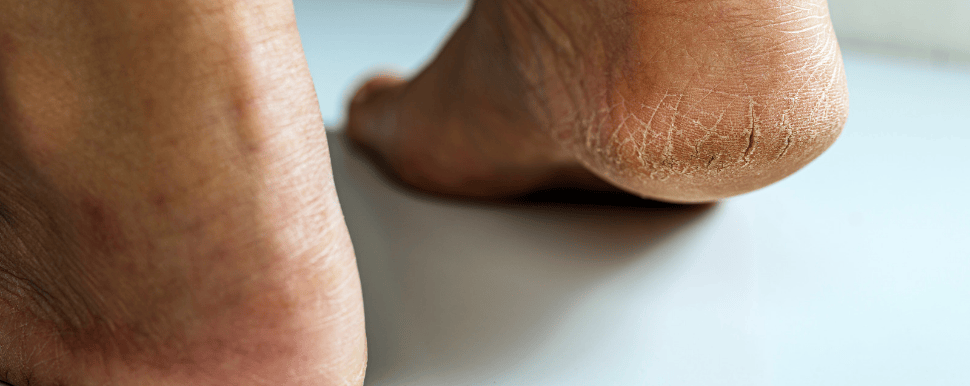
The Morning Agony That Signals Heel Damage
Experiencing sore feet after a long day of walking or standing is something everyone feels occasionally. But there’s a critical difference between temporary foot fatigue and a stabbing pain in your heel that makes those first morning steps feel like walking on broken glass.
In today’s article, we’ll examine how persistent heel and arch pain develops into a chronic condition affecting the thick band of tissue running along the bottom of your foot, which will help you understand when foot discomfort signals tissue damage that won’t heal without proper intervention.
What Do We Mean By This Condition
This heel pain condition refers to inflammation and microtears in the plantar fascia—the thick fibrous band connecting your heel bone to your toes. It affects mobility, walking comfort, and daily activities, which results from repetitive stress, poor footwear, biomechanical issues, or sudden activity increases,, creating small tears that never fully heal, leading to chronic inflammation and debilitating pain concentrated at the heel.
Signs & Symptoms
Here are signs and symptoms that can be categorized into these categories.
Severe Pain With First Morning Steps
For someone with this foot condition, the worst pain occurs immediately upon getting out of bed. Those first few steps feel like stabbing or sharp shooting pain in the heel, as if stepping on a nail or shard of glass. The intensity can literally stop them mid-step.
After several minutes of walking, the pain typically lessens as the tissue stretches and warms. But this morning agony is the hallmark sign—the fascia tightens and contracts overnight, then tears slightly when suddenly loaded with body weight during those initial steps.
Pain After Prolonged Sitting or Standing
They experience intense heel pain when standing up after sitting for extended periods—getting up from a desk, rising from the couch, or stepping out of the car. Similarly, standing for long periods without moving creates deep, aching pain in the heel and arch.
The tissue becomes stiff during inactivity, then protests when suddenly stretched. Conversely, prolonged standing creates constant tension and fatigue in already-damaged tissue, causing progressive pain that worsens the longer they remain on their feet.
Heel Tenderness and Arch Discomfort
The bottom of their heel is tender to touch, particularly along the inner edge where the fascia attaches to the heel bone. They might also feel tightness or burning pain along the arch of the foot. The discomfort concentrates in specific areas rather than being generalized foot soreness.
This localized tenderness indicates inflammation and microtears at the attachment point. The tissue is actively damaged and inflamed, making even light pressure painful. The arch pain reveals that the entire fascial band is under excessive strain.
Pain That Worsens With Certain Activities
Walking barefoot on hard surfaces, climbing stairs, or standing on tiptoes intensifies the pain dramatically. Activities requiring pushing off with the toes—running, jumping, or even brisk walking—become increasingly difficult or impossible.
These movements stretch the already-damaged fascia beyond its compromised capacity, creating additional microtears and inflammation. The tissue can’t handle the mechanical demands being placed on it, forcing them to modify or avoid these activities entirely.
Other than these general symptoms, every individual can have more symptoms that vary from person to person.
What To Do Further
We have discussed some warning signs of this heel pain condition, and it often becomes chronic without proper treatment, including stretching, proper footwear, orthotics, physical therapy, and activity modification. If you’re experiencing any of these symptoms, early intervention typically resolves the condition within months, while ignoring it can lead to years of pain and compensatory problems in the knees, hips, and back.
Stay tuned for more foot health updates, and remember that this heel pain condition is treatable—consistent stretching of the calf and fascia, wearing supportive shoes, using orthotics, and avoiding barefoot walking on hard surfaces typically eliminates pain and prevents recurrence when addressed early.