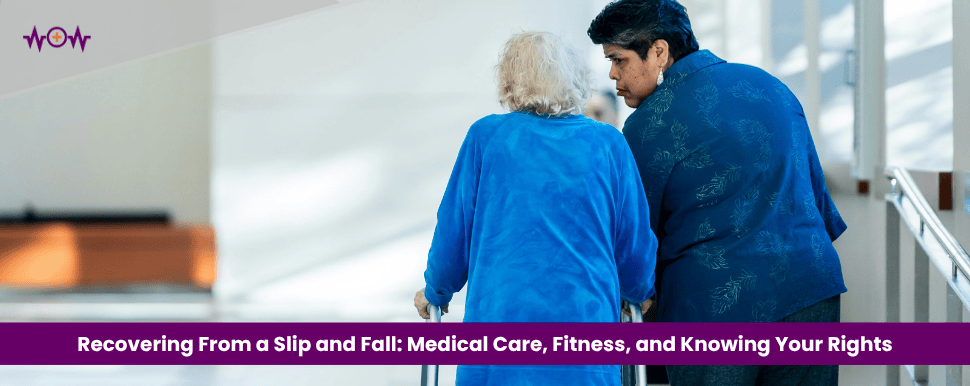


As the slip and fall lawyers at PM Law explains, slip and fall accidents often happen because a property owner failed to fix a hazard or warn visitors about a danger. This kind of accident can turn an ordinary day upside down in seconds. One wrong step on a wet floor or broken sidewalk, and suddenly you’re dealing with pain, medical bills, and missed work.
Recovery isn’t just physical. It touches your finances, your daily routine, and sometimes your peace of mind. Understanding how to heal properly, rebuild your strength, and protect your legal rights makes the whole process much less overwhelming.
This guide breaks down what matters most after a fall, so you can focus on getting better instead of guessing what to do next.
Getting the Right Medical Care
The first step after any fall is seeing a doctor, even if you feel fine. Some injuries, like concussions or soft tissue damage, don’t show symptoms right away.
A thorough exam catches problems early. Doctors can check for fractures, sprains, nerve damage, or internal injuries that aren’t visible to the naked eye. Waiting too long to get checked can make recovery harder later.
Follow up care matters just as much as that first visit. Physical therapists, orthopedic specialists, and chiropractors often play a role in helping an injured person heal fully and avoid long term complications.
Keep every medical record organized. These documents show the extent of your injuries and prove you sought treatment promptly, which becomes important if you ever need to file a claim.
Don’t skip appointments, even when you start feeling better. Gaps in treatment can slow your recovery and raise questions later about how serious your injuries really were.
Rebuilding Strength and Fitness
Once a doctor clears you for movement, rebuilding physical strength becomes the next priority. Muscles weaken quickly after an injury, especially if you’ve spent days resting or limiting activity.
Gentle stretching and low impact exercises often come first. Walking short distances, using resistance bands, or doing simple range of motion drills can help restore mobility without straining healing tissue.
A physical therapist can design a plan suited to your specific injury. This keeps recovery on track and reduces the risk of reinjuring the same area through improper movement or overexertion.
Balance training deserves special attention after a fall. Many injured individuals develop a fear of falling again, which can actually increase their risk. Exercises that rebuild balance help restore both strength and confidence.
Nutrition also supports healing. Protein helps repair damaged tissue, while vitamins like D and calcium support bone health, especially important for older adults recovering from fractures.
Patience matters here. Pushing too hard too soon can set recovery back weeks. Listening to your body and following professional guidance leads to steadier, more lasting progress.
Mental recovery runs alongside physical recovery. Anxiety, frustration, or even mild depression can follow a serious fall, particularly when it limits independence. Talking to a counselor or support group can help.
Knowing Your Rights After a Fall
Property owners have a legal duty to keep their spaces reasonably safe. This includes fixing spills, repairing broken steps, and posting warnings when a hazard can’t be addressed right away.
If negligence caused your fall, you may be entitled to compensation. This can cover medical expenses, lost wages, rehabilitation costs, and pain and suffering caused by the accident.
Every state has different rules about how long you have to file a claim. Missing that deadline, known as a statute of limitations, can prevent you from recovering compensation entirely.
It helps to speak with a personal injury attorney early in the process. They can evaluate your case, explain your options, and handle communication with insurance companies on your behalf.
Insurance adjusters often try to settle quickly for less than a claim is worth. Having legal guidance ensures you understand the true value of your injuries before accepting any offer.
Steps to Protect Your Claim
Taking the right actions early can make a real difference if you decide to pursue compensation. Here are some simple steps worth following.
- Photograph the scene before conditions change.
- Report the fall to the property manager immediately.
- Save torn clothing or damaged shoes as evidence.
- Write down names of any witnesses nearby.
- Request a copy of the incident report.
- Avoid posting details about the accident online.
- Keep receipts for all medical and travel expenses.
- Track missed workdays and lost income carefully.
- Consult an attorney before speaking with insurers.
Following these steps builds a stronger foundation for any claim. They also help you stay organized during a time that can otherwise feel chaotic and stressful.
Moving Forward With Confidence
Recovering from a slip and fall takes time, patience, and the right support system. Medical care addresses the physical damage, while fitness routines help restore strength, balance, and confidence over time.
Understanding your legal rights adds another layer of protection. It ensures you’re not left covering costs that resulted from someone else’s negligence or failure to maintain a safe environment.
Every recovery journey looks a little different. Some individuals bounce back within weeks, while others face months of therapy and adjustment before returning to their normal routine.
Final Thoughts
What matters most is not rushing any part of the process. Healing properly, rebuilding strength safely, and pursuing fair compensation all work together to support a full and lasting recovery.
If you or a loved one recently experienced a fall, don’t wait to seek medical attention and legal advice. Acting early protects both your health and your ability to recover what you’re owed.
With the right combination of care, movement, and knowledge, recovery becomes far more manageable. You don’t have to navigate this alone, and taking these steps now sets the stage for a stronger tomorrow.