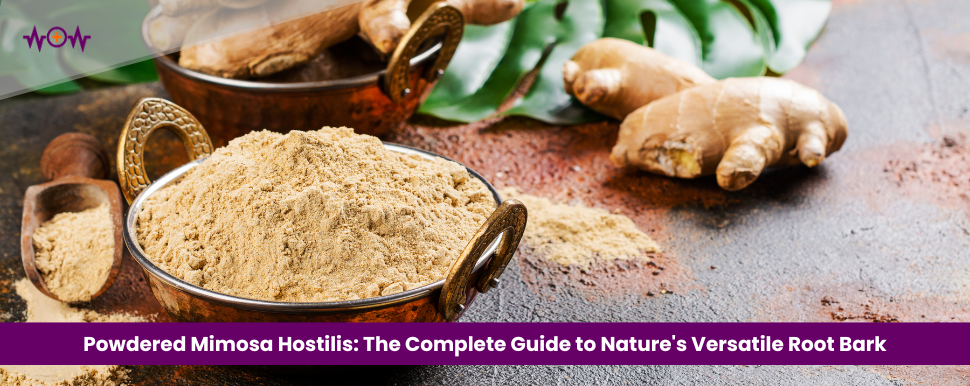


Mimosa hostilis root bark has earned a loyal following among natural dyers, soap makers, and skincare formulators. This rich, reddish-brown powder comes from a hardy tree native to Brazil and Mexico. People value it for its deep pigments and skin-friendly compounds. This guide explains what it is, how it works, and how to choose quality bark.
What Makes This Brazilian Root Bark So Sought After
Mimosa hostilis, also called Mimosa tenuiflora or jurema, grows across northeastern Brazil and parts of Central America. The tree thrives in dry, harsh soil. Its inner root bark holds a concentrated mix of tannins and natural pigments.
These compounds give the powder its signature warm color. The bark ranges from purple-brown to deep red once ground. This natural color makes it a favorite for artisans who avoid synthetic alternatives.
Buyers often search for powdered mimosa hostilis 1kg when they want enough material for larger dye batches or repeat projects. A kilo goes a long way for most hobby and small-business needs.
A Time-Tested Plant With Deep Cultural Roots
Indigenous communities in Brazil and Mexico have used this tree for centuries. Healers applied bark preparations to wounds and burns. The plant earned a reputation for supporting skin recovery.
Traditional knowledge points to its high tannin content. Tannins are natural astringents. They help tighten and tone skin tissue. This history informs many modern cosmetic uses today.
Natural Dyeing: Where This Powder Truly Shines
Textile artists prize mimosa hostilis as a natural dye source. The bark produces rich earth tones without harsh chemicals. Results shift depending on your fabric and method.
Colors You Can Achieve
The powder yields several shades across different materials. Wool and silk tend to grab color best. Common results include:
- Soft purples on protein fibers
- Warm browns on cotton and linen
- Pinkish hues with certain mordants
- Deep reddish tones at higher concentrations
Your water’s pH also changes the outcome. Slightly alkaline water often pushes colors toward purple.
Basic Dyeing Steps
Start by simmering the powder in water to release pigment. Strain the liquid to remove bark particles. Then soak pre-mordanted fabric in the warm dye bath.
Let the material sit for several hours or overnight. Rinse gently and dry away from direct sun. Always test a small swatch first.
Skincare and Cosmetic Formulation Uses
Formulators add mimosa hostilis powder to soaps, balms, and masks. Its tannins and antioxidants appeal to natural product makers. The fine powder blends well into many bases.
Cold-process soap makers use it for color and tradition. The bark lends a natural brown tint without dyes. Some add it to clay masks for an earthy finish.
Always patch test any new ingredient on skin. Source cosmetic-grade material from a trusted mimosa hostilis shop to ensure purity. Quality sourcing protects both your products and your customers.
How to Judge Quality Before You Buy
Not all root bark powder is equal. Several signs separate premium stock from low-grade material. Knowing these helps you shop with confidence.
Freshness and Color
Fresh bark holds a vibrant reddish-brown tone. Dull, grayish powder may be old or poorly stored. Strong color usually signals higher pigment content.
Texture and Grind
Finely milled powder dissolves and releases color faster. Coarse, chunky bark works too but takes longer. Choose your grind based on your project.
Inner Bark vs Whole Bark
Inner root bark carries the most pigment and compounds. Premium suppliers separate it from outer bark. Read product descriptions carefully before ordering.
Smart Storage Keeps Your Bark Potent
Proper storage extends shelf life significantly. Keep the powder in an airtight container. Store it away from heat, light, and moisture.
A cool, dark cupboard works well. Sealed bags reduce oxygen exposure. Stored right, the bark stays usable for a year or more.
Buying Tips for First-Time Shoppers
New buyers should start with a smaller amount. This lets you test quality before committing to bulk. Many find a powdered mimosa hostilis 1kg order ideal once they trust a supplier.
Compare suppliers on sourcing, reviews, and transparency. A reputable mimosa hostilis shop lists origin, grind type, and intended use. Avoid sellers who give vague or missing product details.
Frequently Asked Questions
What is powdered mimosa hostilis used for?
It is mainly used for natural fabric dyeing, soap making, and cosmetic formulation. Its tannins and pigments create rich earth tones and appeal to natural product makers.
How much dye does 1kg of powder make?
A single kilogram covers many large dye batches. Exact amounts depend on your fabric type and desired color depth.
Does mimosa hostilis stain skin or surfaces?
Yes, the strong pigment can stain hands, fabric, and counters. Wear gloves and protect your work area during use.
What colors can I get from the bark?
You can achieve purples, browns, pinks, and deep reds. Final color depends on fiber, mordant, and water pH.
How should I store the powder?
Keep it in a sealed, airtight container in a cool, dark place. This protects pigment strength and prevents moisture damage.
Is inner bark better than outer bark?
Inner root bark holds more pigment and active compounds. Most dyers and formulators prefer it for stronger results.
Where should I buy mimosa hostilis powder?
Buy from a trusted mimosa hostilis shop that shares sourcing and product details. Transparency signals a reliable, quality-focused seller.
Final Thoughts
Powdered mimosa hostilis remains a standout natural ingredient for dyers and formulators. Its rich color, useful tannins, and long history make it a smart buy. Choose fresh, well-sourced bark and store it properly for the best results.