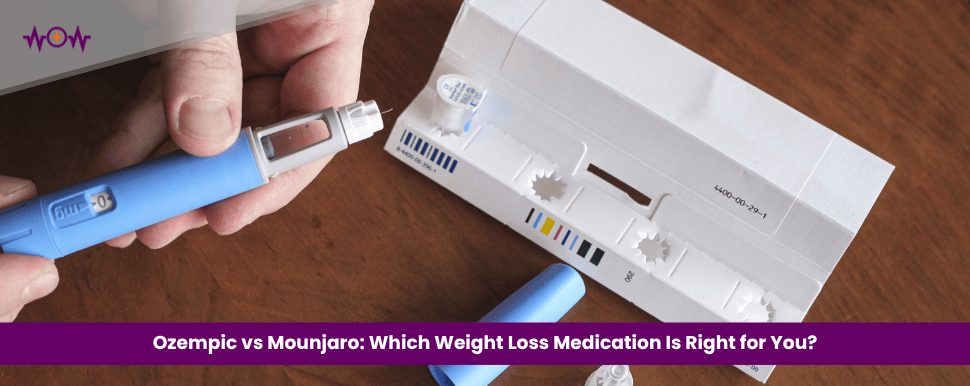


She stands in front of the mirror for longer than she used to. Not out of vanity , out of exhaustion. She’s tried the diets, the fasting windows, the early-morning workouts squeezed in before work. And still, the number on the scale barely moves. So she does what millions of people are doing right now: she opens her phone and searches “Ozempic vs Mounjaro.”
If that’s how you ended up here, you’re not alone. These two injectable medications have become the most talked-about names in weight management, and for good reason , both can lead to real, measurable weight loss. But they’re not identical, and the differences between them can matter a lot depending on your body, your budget, and your goals. Let’s break it down.
What Are Ozempic and Mounjaro?
Ozempic and Mounjaro are both once-weekly injectable medications originally developed and FDA-approved to treat type 2 diabetes. Neither one is officially FDA-approved as a weight loss drug on its own , that distinction belongs to their sister medications, Wegovy (semaglutide) and Zepbound (tirzepatide), which are the same active ingredients approved specifically for chronic weight management. Ozempic and Mounjaro are sometimes prescribed “off-label” for weight loss, meaning a doctor prescribes them for a purpose beyond their official approval, which is a legal and common practice in medicine.
Ozempic contains the active ingredient semaglutide. Mounjaro contains tirzepatide. Both belong to a class of drugs that mimic hormones your gut naturally produces after eating , hormones that tell your brain you’re full and slow down digestion.
How They Work , and Why It Matters
Here’s where the two drugs actually part ways. Ozempic works on a single hormone pathway: GLP-1 (glucagon-like peptide-1). It slows digestion, reduces appetite, and helps regulate blood sugar.
Mounjaro goes a step further. It activates two hormone pathways at once , GLP-1 and GIP (glucose-dependent insulinotropic polypeptide). That dual-action mechanism is the main reason Mounjaro tends to produce a stronger appetite-suppressing effect, and it’s the biggest factor driving nearly every other difference between the two drugs.
Weight Loss Results: What the Studies Show
Clinical trials comparing the two , most notably the SURMOUNT trials for tirzepatide and the STEP trials for semaglutide , consistently show that Mounjaro leads to greater average weight loss than Ozempic. Depending on the dose, people on tirzepatide-based treatment have lost in the range of 20 to 22% of their body weight, compared to roughly 15% for semaglutide-based treatment. A real-world study analyzing healthcare data outside of a controlled trial setting found a similar pattern: patients on Mounjaro were more likely to hit meaningful weight-loss milestones than those on Ozempic.
That said, “more effective on average” doesn’t mean “more effective for you.” Individual response varies widely based on genetics, starting weight, diet, activity level, and how well your body tolerates each medication. Some people lose significant weight on Ozempic and struggle with Mounjaro’s side effects, or vice versa.
Side Effects
Both drugs share a similar side effect profile, because they work on overlapping hormone systems. The most common issues include:
- Nausea
- Vomiting
- Diarrhea or constipation
- Stomach pain
- Reduced appetite
- Fatigue
These effects are usually strongest when starting the medication or increasing the dose, and they tend to ease over time as your body adjusts. Because Mounjaro acts on two pathways instead of one, some patients report slightly more intense digestive side effects, though this isn’t universal. Rare but more serious risks , including pancreatitis, gallbladder problems, and thyroid tumors in animal studies , apply to both drugs and are worth discussing directly with your provider before starting either one.
Cost and Access
Cost is often the deciding factor, and neither option is cheap. Without insurance coverage, both Ozempic and Mounjaro typically run somewhere between $1,000 and $1,300 per month in 2026, depending on pharmacy, dose, and location. Insurance coverage for off-label weight loss use is inconsistent , many plans will only cover these drugs for a documented type 2 diabetes diagnosis, not for weight management alone. Manufacturer savings cards, patient assistance programs, and direct-pay pharmacy discounts can bring the price down meaningfully, so it’s worth asking your provider or pharmacist what’s available before assuming either option is out of reach.
Which One Is Right for You?
There’s no universal answer, but here’s a general way to think about it:
Ozempic may be a better fit if:
- You have type 2 diabetes and want a medication with a long track record and established cardiovascular benefit data
- You want a treatment with a slightly gentler introduction to GLP-1 side effects
- You’re prioritizing a lower monthly dose ceiling
Mounjaro may be a better fit if:
- Maximizing weight loss is your primary goal
- You’ve tried a GLP-1-only medication and had limited results
- You and your doctor determine your body tolerates the dual mechanism well
Neither of these is a substitute for medical guidance. The right choice depends on your health history, other medications, and how your body responds , all things only a healthcare provider can properly assess by looking at your full picture, not a blog post.
Medication Is a Tool, Not a Shortcut
It’s worth saying plainly: these medications work best as part of a broader plan that includes nutrition, movement, and consistent follow-up care , not as a stand-alone fix. People who combine treatment with lifestyle changes tend to see better, more sustainable results, and they’re better positioned to maintain their progress if they ever stop the medication.
They’re also not something to start or stop on your own. Dosing for both Ozempic and Mounjaro starts low and increases gradually under medical supervision, specifically to minimize side effects and monitor how your body responds.
Getting Started the Right Way
If you’re considering either medication, the first step isn’t picking a drug , it’s finding a provider who can evaluate your health history, discuss your goals honestly, and help you weigh the real trade-offs between cost, effectiveness, and how your body is likely to respond. WoW Health connects members with providers who can have that conversation, along with transparent, upfront pricing on visits, labs, and prescriptions , so you know what you’re paying before you commit to anything.
Whichever path you take, the goal isn’t just the number on the scale. It’s finding something sustainable, medically sound, and right for your body specifically.
Frequently Asked Questions
Is Mounjaro always better than Ozempic for weight loss?
Mounjaro leads to greater average weight loss in clinical trials, but “average” hides a lot of individual variation. Some people respond just as well, or better, to Ozempic.
Can I switch from Ozempic to Mounjaro, or the other way around?
Yes, people do switch between the two, but it should always be done under a provider’s guidance. Switching involves recalculating your dose, since the two drugs aren’t measured or dosed the same way.
Do I need a type 2 diabetes diagnosis to get either medication?
No, but it affects both approval status and insurance coverage. Both drugs are FDA-approved specifically for type 2 diabetes; using either for weight loss without that diagnosis means it’s being prescribed off-label, which is legal but often not covered by insurance.
How long does it take to see results?
Most people start noticing appetite changes within the first few weeks, but meaningful weight loss typically builds gradually over three to six months as the dose is increased.
What happens if I stop taking the medication?
Many people regain some or all of the weight after stopping, especially without ongoing lifestyle changes. This is one reason providers emphasize pairing medication with sustainable nutrition and activity habits from the start.
This article is for informational purposes only and is not a substitute for professional medical advice. Talk to a licensed healthcare provider before starting, stopping, or switching any medication.