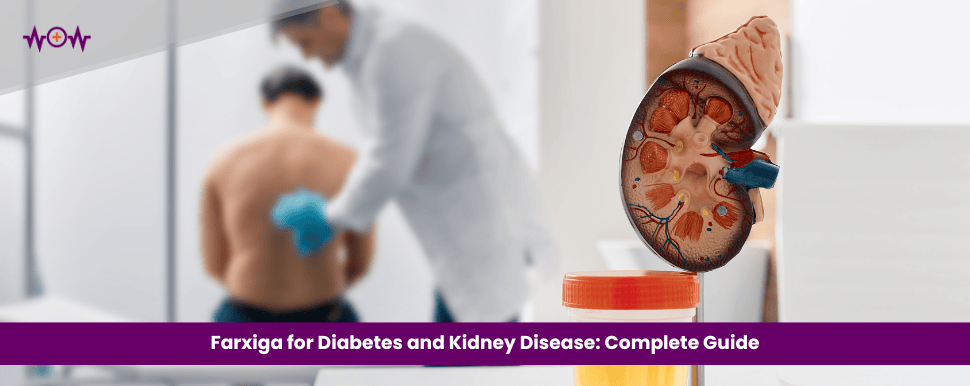


When Robert visited his doctor for a routine diabetes check-up, he expected the usual conversation about blood sugar levels, diet, and exercise. Instead, his doctor recommended a new medication.
“I think Farxiga would be a good option for you,” the doctor said.
Robert recognized the name from television commercials, but he didn’t know much about it. Was it only for diabetes? Why was his doctor also talking about protecting his kidneys? Could one medication really help with more than one health condition?
Like many patients, Robert went home and searched online. Within minutes, he found articles, personal stories, and medical information. Some sources praised the medication, while others focused on possible side effects. The conflicting information left him feeling uncertain.
Robert’s experience is common.
Today, Farxiga is prescribed for more than just blood sugar control. Healthcare providers also use it to help certain patients with chronic kidney disease and heart failure. Because of these additional benefits, many people are hearing about the medication for the first time.
However, before starting any prescription medicine, it is important to understand how it works, who it may help, and what possible side effects to expect.
In this guide, we’ll explain what Farxiga is, how it works, its medical uses, potential benefits, and the questions you should discuss with your healthcare provider before beginning treatment.
What Is Farxiga?
Farxiga is the brand name for dapagliflozin, a prescription medication that belongs to a class of drugs known as SGLT2 inhibitors.
Originally developed to help adults with type 2 diabetes manage blood sugar levels, researchers later discovered that the medication could also benefit certain people living with chronic kidney disease and heart failure.
Unlike medications that increase insulin production, Farxiga works through the kidneys.
It helps remove excess glucose from the bloodstream by allowing it to leave the body through urine. As a result, blood sugar levels become easier to manage.
Over time, research has shown that this mechanism may also reduce stress on the kidneys and improve certain heart-related outcomes for eligible patients.
These expanded dapagliflozin uses have made Farxiga an important treatment option for many adults managing multiple chronic health conditions.
How Does Farxiga Work?
Every day, your kidneys filter blood and remove waste products.
Normally, they also reabsorb much of the glucose that passes through them.
Farxiga changes this process.
It blocks a protein responsible for glucose reabsorption. Instead of returning that glucose to the bloodstream, the body removes it through urine.
This process lowers blood sugar levels without relying directly on insulin.
Because excess glucose leaves the body, some patients also experience modest weight loss and small reductions in blood pressure.
However, these changes should be viewed as additional effects rather than the primary purpose of treatment.
Understanding how the medication works helps explain why Farxiga can support several different health conditions under medical supervision.
Farxiga for Type 2 Diabetes
One of the most common reasons doctors prescribe Farxiga is to help manage type 2 diabetes.
When healthy eating, regular exercise, and lifestyle changes alone are not enough to maintain blood sugar targets, medication may become necessary.
Farxiga helps lower blood sugar by removing excess glucose through the kidneys.
Unlike some diabetes medications, it usually does not stimulate insulin production directly.
Because of this, healthcare providers often prescribe it alongside other diabetes medications such as metformin or insulin when additional blood sugar control is needed.
Many patients appreciate that the medication works through a different mechanism than traditional diabetes treatments.
For individuals living with type 2 diabetes, maintaining stable blood sugar levels remains one of the most important goals for protecting long-term health.
Farxiga for Chronic Kidney Disease
One of the biggest developments in recent years has been the use of Farxiga for certain people living with chronic kidney disease.
Kidneys play a vital role in filtering waste, balancing fluids, and maintaining overall health.
When kidney function declines, the risk of serious complications increases.
Clinical research has shown that Farxiga may help slow the progression of chronic kidney disease in appropriate patients when prescribed as part of a comprehensive treatment plan.
This does not mean the medication cures kidney disease.
Instead, it may help reduce the rate at which kidney function declines for some individuals.
For patients facing long-term kidney health concerns, this represents one of the most important Farxiga benefits identified through clinical research.
Farxiga and Heart Failure
Healthcare providers also prescribe Farxiga for certain patients with heart failure.
Heart failure occurs when the heart cannot pump blood as effectively as it should.
This condition often causes fatigue, swelling, and shortness of breath.
Research has shown that Farxiga may help reduce the risk of hospitalization for certain patients with heart failure.
The medication appears to provide cardiovascular benefits beyond blood sugar control.
This discovery significantly expanded the medical role of dapagliflozin uses beyond diabetes management alone.
Patients with heart failure should always discuss treatment options with their cardiologist or healthcare provider to determine whether Farxiga is appropriate for their individual condition.
Who May Benefit From Farxiga?
Healthcare providers consider many factors before prescribing Farxiga.
The medication may be appropriate for adults with:
- Type 2 diabetes.
- Certain forms of chronic kidney disease.
- Certain types of heart failure.
- Multiple cardiovascular risk factors in appropriate clinical situations.
Before recommending treatment, healthcare providers usually evaluate:
- Kidney function.
- Blood sugar levels.
- Current medications.
- Medical history.
- Overall treatment goals.
Because every patient’s health is different, treatment decisions should always be individualized.
What works well for one person may not be the best option for another.
Lifestyle Changes Remain Essential
Although Farxiga can be an effective medication, it works best when combined with healthy daily habits.
Patients should continue following their healthcare provider’s recommendations regarding nutrition, exercise, blood sugar monitoring, and routine medical appointments.
Medication supports healthy habits.
It does not replace them.
Eating balanced meals, staying physically active, maintaining a healthy weight, and getting adequate sleep all contribute to better long-term health outcomes.
Many healthcare providers explain that one of the greatest Farxiga benefits comes from using the medication as part of a complete health management plan rather than relying on it alone.
Consistent healthy habits remain the foundation of successful diabetes and kidney disease management.
Common Farxiga Side Effects
Like every prescription medication, Farxiga can cause side effects. Fortunately, many people take the medication without experiencing serious problems. Still, understanding what to expect can help you feel more prepared.
The most common Farxiga side effects are usually mild and often improve as your body adjusts to the medication.
Some people may experience:
- Increased urination
- Thirst
- Mild dehydration
- Urinary tract infections (UTIs)
- Genital yeast infections
- Dizziness, especially when standing up quickly
These side effects occur because Farxiga helps remove excess glucose through urine. As more sugar leaves the body, additional water leaves as well. This is why drinking enough fluids is important while taking the medication.
If any side effects become severe, last for an extended period, or begin interfering with daily life, contact your healthcare provider. Do not stop taking the medication without medical advice.
Serious Side Effects to Watch For
Although uncommon, some side effects require immediate medical attention.
Farxiga may increase the risk of severe dehydration, especially during hot weather or when a person experiences prolonged vomiting or diarrhea.
Rarely, some patients may develop diabetic ketoacidosis (DKA), a serious medical condition that requires urgent treatment. Although DKA is more common in people with type 1 diabetes, it has been reported in certain individuals taking SGLT2 inhibitors.
Seek immediate medical care if you experience symptoms such as:
- Severe nausea or vomiting
- Difficulty breathing
- Extreme fatigue
- Confusion
- Severe stomach pain
You should also contact your healthcare provider if you notice signs of a serious urinary tract infection, persistent fever, unusual swelling, or severe pain.
Knowing the possible Farxiga side effects helps you recognize when professional medical care may be needed.
Tips for Taking Farxiga Safely
Taking medication exactly as prescribed helps maximize its benefits while reducing unnecessary risks.
Most people take Farxiga once each day.
Try to take it at the same time every day unless your healthcare provider gives different instructions.
Because the medication increases glucose removal through urine, staying hydrated is important.
Patients should also continue monitoring their blood sugar as recommended and attend regular follow-up appointments.
During these visits, your healthcare provider may monitor:
- Blood sugar levels
- Kidney function
- Blood pressure
- Overall treatment progress
Regular monitoring helps ensure the medication continues working safely and effectively.
Can Farxiga Be Taken With Other Medications?
Yes. In many cases, Farxiga is prescribed alongside other medications.
For people with type 2 diabetes, healthcare providers may combine it with medicines such as metformin, insulin, or other glucose-lowering treatments to improve blood sugar control.
However, combining medications requires careful medical supervision.
Some combinations may increase the risk of low blood sugar, particularly when insulin or certain diabetes medicines are involved.
Always tell your healthcare provider about every prescription medicine, over-the-counter medication, vitamin, and herbal supplement you take.
This allows your provider to identify possible interactions and make adjustments if necessary.
When Should You Contact Your Doctor?
Starting a new medication naturally brings questions.
If you have concerns about Farxiga, schedule a conversation with your healthcare provider.
You should also seek medical advice if:
- Your blood sugar remains consistently high.
- You experience persistent side effects.
- You become severely dehydrated.
- You develop symptoms of infection.
- You notice swelling or changes in kidney function.
- You plan to become pregnant or are breastfeeding.
Prompt communication allows your healthcare provider to adjust treatment if necessary and helps prevent complications.
Never rely solely on information from the internet when making decisions about prescription medications.
Questions to Ask Before Starting Farxiga
Being informed helps you take an active role in your healthcare.
Before starting Farxiga, consider asking your healthcare provider questions such as:
- Why are you recommending Farxiga for me?
- How will this medication help my condition?
- What side effects should I watch for?
- How often should my kidneys be monitored?
- Can I continue taking my current medications?
- Are there lifestyle changes I should make while taking Farxiga?
- How long will I need this medication?
These conversations help ensure you understand both the benefits and responsibilities that come with treatment.
How WoW Health Can Support Your Healthcare Journey
Managing diabetes or kidney disease often requires ongoing medical care, routine monitoring, and regular communication with healthcare professionals.
WoW Health makes that process easier by providing affordable healthcare solutions designed around convenience and transparency.
Whether you need a virtual doctor visit, primary care services, prescription savings, or guidance on managing a chronic condition, WoW Health helps connect you with trusted healthcare providers.
If you have questions about Farxiga, your treatment plan, or any prescription medication, speaking with a qualified healthcare professional is always the safest choice.
Conclusion
Farxiga has become much more than a medication for lowering blood sugar. Today, it also plays an important role in helping certain people manage chronic kidney disease and heart failure under the guidance of a healthcare provider.
Like every prescription medicine, it offers important benefits as well as potential risks. Understanding how it works, recognizing possible Farxiga side effects, and following your healthcare provider’s recommendations can help you use the medication safely and effectively.
It is equally important to remember that medication is only one part of managing chronic disease. Healthy eating, regular physical activity, routine medical care, and ongoing monitoring remain essential for protecting your long-term health.
If your healthcare provider believes Farxiga may be appropriate for you, take the time to ask questions, understand your treatment plan, and stay actively involved in your care. Informed patients are often better prepared to achieve successful long-term health outcomes.
Manage Your Health with Confidence Through WoW Health
Living with diabetes or kidney disease shouldn’t mean navigating healthcare alone.
WoW Health provides affordable virtual care, prescription savings, and convenient healthcare services that make it easier to manage chronic conditions and stay connected with trusted healthcare professionals.
Why Choose WoW Health?
✔ Affordable virtual doctor visits
✔ Convenient primary care access
✔ Prescription savings
✔ Transparent healthcare pricing
✔ Ongoing support for chronic disease management
✔ Healthcare designed around your needs
Take control of your health by connecting with a healthcare provider through WoW Health today.
Frequently Asked Questions
1. What is Farxiga used for?
Farxiga is a prescription medication containing dapagliflozin. It is commonly used to help manage type 2 diabetes and may also be prescribed for certain people with chronic kidney disease or heart failure.
2. What are the most common Farxiga side effects?
The most common Farxiga side effects include increased urination, thirst, dehydration, urinary tract infections, yeast infections, and dizziness. Most are mild, but any severe or persistent symptoms should be discussed with a healthcare provider.
3. What are the main Farxiga benefits?
Some important Farxiga benefits include improving blood sugar control in adults with type 2 diabetes and helping reduce the risk of certain kidney and heart complications in appropriate patients when prescribed by a healthcare professional.