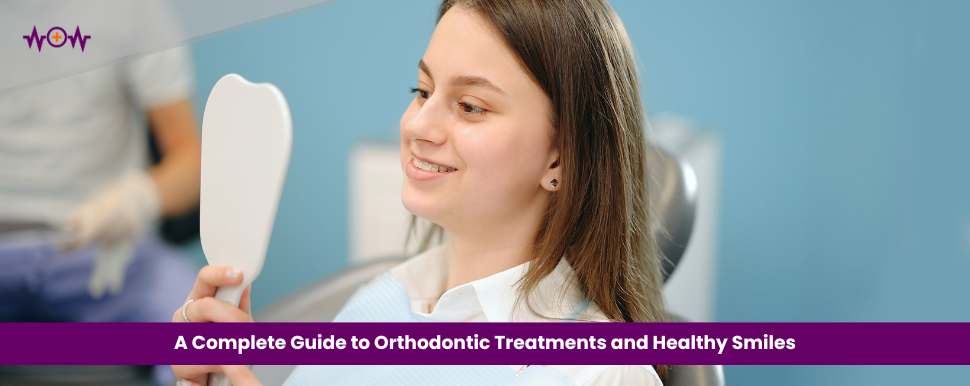


Orthodontic treatment corrects misaligned teeth and bite issues to improve both oral health and self-confidence. The most common options include traditional metal braces, clear ceramic braces, and clear aligners like Invisalign. Choosing a trusted local provider ensures a comfortable, affordable, and personalized path to a healthy smile.
Orthodontic care plays a critical role in achieving a confident, highly functional smile. Many people mistakenly believe that straightening teeth is purely a cosmetic endeavor. In reality, correcting dental alignment provides profound long-term health benefits for patients of all ages.
The American Association of Orthodontists (AAO) recommends that children visit an orthodontic specialist by the age of seven to catch early developmental issues. Meanwhile, adult orthodontic care is growing rapidly. Currently, one in three orthodontic patients is an adult seeking to improve their bite, alleviate jaw pain, or simply gain a more confident appearance.
This comprehensive guide explores the core benefits of orthodontic care, compares the most popular treatment options available today, and outlines what patients should expect during the process. You will also learn how to evaluate local orthodontic practices so you can make an informed, confident decision for yourself or your family.
Why do healthy smiles require professional orthodontic treatment?
Properly aligned teeth are fundamentally easier to clean, which significantly reduces the risk of long-term dental complications. Crooked or overlapping teeth create tight spaces that trap plaque and bacteria. Over time, this buildup leads to tooth decay, cavities, and periodontal (gum) disease. By straightening the teeth, orthodontic treatment removes these hiding spots, allowing patients to maintain excellent oral hygiene through standard brushing and flossing.
Beyond hygiene, an improper bite—known clinically as malocclusion—can cause severe functional problems. When the upper and lower teeth do not meet correctly, it places abnormal stress on the jaw muscles and joints. Patients with untreated bite issues frequently experience chronic headaches, temporomandibular joint (TMJ) disorders, and uneven wear on their tooth enamel. Correcting the bite alleviates this physical strain, making chewing and speaking much more comfortable.
The psychological impact of a beautiful smile is equally important. Studies consistently show that individuals with straight, healthy teeth feel more confident in social and professional settings. Children and teenagers experience a massive boost in self-esteem when their smile transforms, protecting them from the social anxieties associated with misaligned teeth. Adults who finally invest in their smile report feeling more outgoing and self-assured in their daily lives.
What are the different types of orthodontic treatments available?
Modern orthodontics offers several highly effective paths to a straight smile. The right choice depends on the patient’s specific clinical needs, aesthetic preferences, and lifestyle habits.
How do traditional metal braces work?
Traditional metal braces remain the most common and widely recognized form of orthodontic treatment. They consist of high-grade stainless steel brackets attached to each tooth, connected by a thin archwire. The orthodontist periodically tightens this wire to apply gentle, continuous pressure, slowly shifting the teeth into their correct positions.
Metal braces are highly efficient at correcting severe bite complications and complex alignment issues. Because they are permanently attached to the teeth during treatment, they require zero compliance from the patient regarding wear time. Choose metal braces if you need to correct significant orthodontic issues, or if you prefer a highly durable treatment method that works around the clock without requiring you to remember to wear removable trays.
What are the pros and cons of clear ceramic braces?
Ceramic braces function exactly like traditional metal braces, but they use tooth-colored or translucent polycrystalline ceramic brackets instead of stainless steel. When paired with clear or white wires, ceramic braces blend in naturally with the patient’s teeth.
These clear braces provide the same continuous, efficient force as metal braces, making them suitable for complex orthodontic cases. They appeal heavily to older teenagers and adults who desire a less noticeable treatment option but do not want the daily responsibility of managing removable aligners. Choose clear ceramic braces if aesthetics are important to you, but you still require the robust, predictable tooth movement provided by a bracket-and-wire system.
Why choose Invisalign clear aligners for teeth straightening?
Invisalign utilizes a series of custom-made, clear plastic trays to incrementally move the teeth. Patients wear each set of aligners for about one to two weeks before progressing to the next set in the series.
The primary advantage of Invisalign is its virtually invisible appearance, allowing patients to undergo treatment discreetly. Because the aligners are completely removable, patients can eat their favorite foods without restriction and brush and floss normally. Choose Invisalign if discretion matters most to you, and if you are disciplined enough to wear the aligners for the recommended 20 to 22 hours per day.
How should you choose a local orthodontist in Middlesex County?
Finding the right orthodontic provider requires careful consideration. A successful orthodontic journey relies heavily on the expertise, technology, and patient-care philosophy of the practice you select.
For residents seeking care in Middlesex County, proximity and convenience are crucial factors. Regular adjustment appointments occur every four to eight weeks. Choosing an orthodontist located in or near your specific community makes attending these appointments manageable. Patients should look for offices offering flexible scheduling, including evening and weekend hours, to accommodate busy school and work routines.
Technology also plays a massive role in the quality of care. The best modern practices utilize 3D digital scanners—such as the iTero scanner—to eliminate the need for messy, uncomfortable dental putty. Advanced technologies like 3D-printed custom brackets can even accelerate treatment times by moving teeth more precisely.
Consistency of care is another vital element. Patients achieve the best results when they see the same doctor at every single visit. This ensures the orthodontist can accurately track progress and make highly personalized adjustments. For residents in the Old Bridge, NJ area, practices like All Star Family Orthodontics serve as excellent examples of what to look for. They provide advanced technology, flexible scheduling, and a consistent, single-doctor experience that prioritizes patient comfort.
What should patients expect during their orthodontic treatment journey?
The orthodontic process always begins with a comprehensive initial consultation. During this visit, the orthodontist conducts a thorough oral examination, takes diagnostic records like digital X-rays and 3D scans, and discusses the patient’s specific goals. This data allows the doctor to map out a precise, customized treatment plan.
Once treatment begins, the patient will visit the office periodically for progress checks and adjustments. For patients with braces, these visits involve changing the wires and elastic bands to keep the teeth moving smoothly. For Invisalign patients, these appointments allow the orthodontist to verify that the teeth are tracking perfectly with the digital plan before handing over the next sequence of aligners.
After the active treatment phase concludes and the teeth reach their final positions, the retention phase begins. The orthodontist removes the braces or attachments and provides the patient with a custom-fit retainer. Wearing the retainer exactly as prescribed is the only way to prevent the teeth from naturally shifting back to their original misaligned positions over time.
How can patients make orthodontic care affordable with flexible payments?
Cost remains a significant concern for many families considering orthodontic care. Fortunately, modern orthodontic practices prioritize financial accessibility. Patients no longer have to compromise on their oral health due to rigid pricing structures.
Most reputable orthodontists offer customized, interest-free payment plans. This allows patients to spread the total cost of treatment across manageable monthly installments that fit their specific household budget. Practices typically discuss all fees upfront during the initial consultation, ensuring patients never encounter hidden charges or unexpected bills down the line.
Additionally, many offices employ dedicated financial coordinators who specialize in insurance optimization. These professionals help families navigate their dental insurance policies to maximize their orthodontic benefits, significantly reducing the out-of-pocket expenses.
Are you ready to start your journey toward a winning smile?
Orthodontic treatment represents a profound investment in your long-term health, daily comfort, and personal confidence. By taking the time to understand the available treatment options and selecting a trusted local provider, you set the stage for a highly successful transformation.
Do not let financial concerns or anxiety about the process delay your path to a healthier mouth. Most orthodontic practices offer complimentary consultations, providing you with a risk-free opportunity to explore your options, ask questions, and receive a customized treatment plan. Take the first step today by contacting a local orthodontic specialist to schedule your initial evaluation.
Frequently asked questions about orthodontic treatment
At what age should a child first visit the orthodontist?
The American Association of Orthodontists recommends that children receive their first orthodontic evaluation no later than age seven. By this age, children have a mix of baby and permanent teeth, allowing the orthodontist to identify and intercept developing jaw and bite issues before they require more complex treatments.
Am I too old to get braces or Invisalign?
No one is ever too old for orthodontic treatment. Healthy teeth can be moved at any age. In fact, adult orthodontics is highly common, with adults making up roughly one-third of all current orthodontic patients. Treatment can alleviate adult jaw pain, improve bite function, and enhance overall confidence.
How long does orthodontic treatment typically take?
The duration of treatment varies widely depending on the severity of the patient’s specific case. On average, comprehensive orthodontic treatment takes between 12 and 24 months. Minor cosmetic corrections may take as little as six months, while highly complex bite issues might require up to three years of active treatment.
Do braces or clear aligners hurt?
Orthodontic treatment relies on applying gentle pressure to the teeth, which can cause mild soreness or tenderness for a few days after adjustments or when switching to a new aligner tray. This discomfort is entirely normal and typically subsides quickly. Modern technologies and lighter wires have made treatment significantly more comfortable than in decades past.