

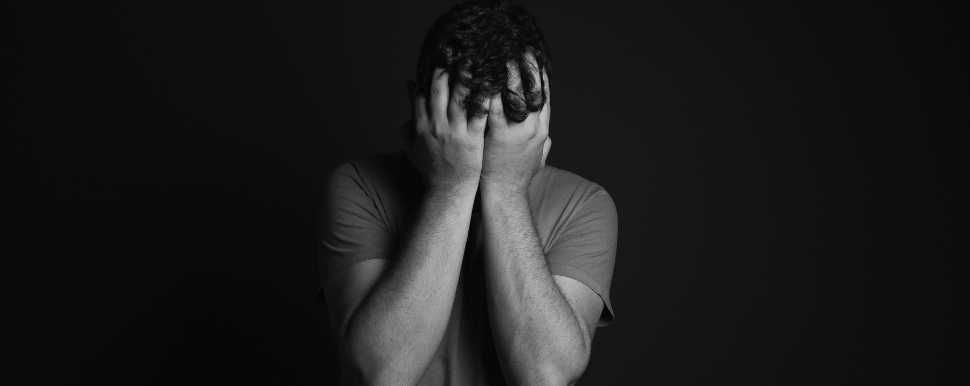
We often think of mental health conditions as something that happens to “other people.” But the truth is, anxiety is one of the most common challenges, and many of us live with its symptoms every day without realizing it.
Anxiety doesn’t always look like panic attacks or uncontrollable worry. Sometimes it hides in small, daily moments:
- Constantly feeling on edge, even without a clear reason.
- Trouble sleeping because your mind won’t “switch off.”
- Stomach issues, headaches, or muscle tension that doctors can’t explain.
- Avoiding certain situations because they make you feel nervous or uncomfortable.
If any of this sounds familiar, it might be more than just “stress.” It could be anxiety.
Why It Matters
Unchecked anxiety can affect your work performance, relationships, and even your physical health. Recognizing it early is the first step toward managing it. And the good news is, anxiety is treatable with self-care, counseling, or medical support.
When to Seek Support
If anxiety is interfering with your daily life making it hard to focus at work, maintain relationships, or enjoy activities you once loved, it may be time to seek professional help. Reaching out is not a weakness, it’s a step toward strength and recovery.
What You Can Do Right Now
If you suspect anxiety might be affecting you, try simple grounding techniques like deep breathing, short walks, or journaling your thoughts. These won’t cure anxiety but can help you feel more in control in the moment. And if symptoms persist, talking to a counselor or healthcare professional can make a real difference.
Quick Self-Check: Do You Relate?
Ask yourself these questions honestly. If you find yourself answering “yes” to most, it may be worth exploring further:
- Do you often feel nervous, restless, or on edge even when nothing major is happening?
- Do you find it hard to control your worry once it starts?
- Do you have trouble sleeping because of racing thoughts or overthinking?
- Do you notice physical symptoms (like sweating, fast heartbeat, or stomach issues) when you’re stressed?
- Do you avoid certain situations because you’re afraid of how you’ll feel?
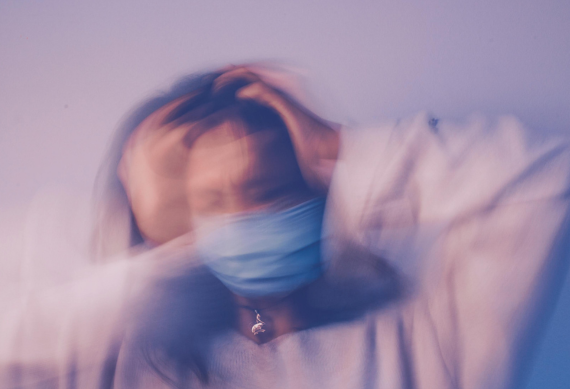
What Your Answers May Mean
If you noticed yourself saying “yes” to several of these questions, it could mean that you are experiencing more than everyday stress. These are common signs of anxiety or a related condition. It doesn’t necessarily mean something is “wrong” with you. It means your mind and body are asking for attention and care. Recognizing these signs is the first step toward finding strategies, support, or professional guidance that can help you feel better.
This is not a medical diagnosis, but a tool for self-awareness. If your answers concern you, consider reaching out to a professional for guidance.
Book your mental health counselling with us at a very low cost.
Taking care of your mental health is just as important as taking care of your physical health.
Stay tuned for updates.